

Chemical Peels

“The VI Peel is our go-to medical-grade peel, and there is a reason for that. It is gentle enough to be comfortable, yet it does real work, clearing away tired surface skin and improving the tone and texture of the living skin beneath. It is also safe for every skin tone, which matters a great deal. For many patients, it is one of the simplest ways to bring back a healthy glow.”

— Anshul Gambhir M.D.

About Chemical Peels

The VI Peel Precision Plus with Peptides is the medical-grade peel we use. A peel gently clears away tired, damaged surface skin so fresher skin can take its place. This version is built for pigment. It combines TCA, retinoic acid and vitamin C with a peptide brightening booster, and it is used for melasma, sun spots, dark spots, uneven skin tone, dullness, rough texture and fine lines. Most people feel only a brief tingle during application, and the peel goes on doing real work beneath the surface.

We carry Precision Plus with Peptides because pigment is what we are most often asked to treat, and because it is designed to be used safely across all skin tones, which many peels are not. A peel is not the right answer for everything. If your concern would be better met by another treatment, or by doing less, we will work with you to find what suits you best.

This is the part to plan for. The VI Peel is a peeling peel, and around the third day light flaking begins and continues for three to five more days. It is mild peeling, not dramatic, and most people go about their normal lives throughout. Many patients plan their peel a week or so before an important event. The visit itself is short, often about 30 minutes. We cleanse your skin, apply the peel in layers, and send you home with the peel still working and a simple take-home kit.

Skin is personal. Pigment is patient work. One peel brings a brighter look, while melasma and sun damage usually ask for a series. Pigment also returns if it is not protected, so sun protection is part of the treatment rather than something to think about afterwards. We plan carefully so your peel does real work without setting you back.
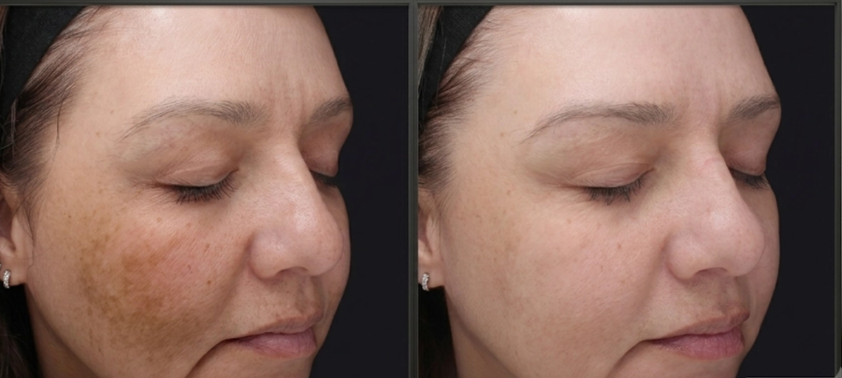
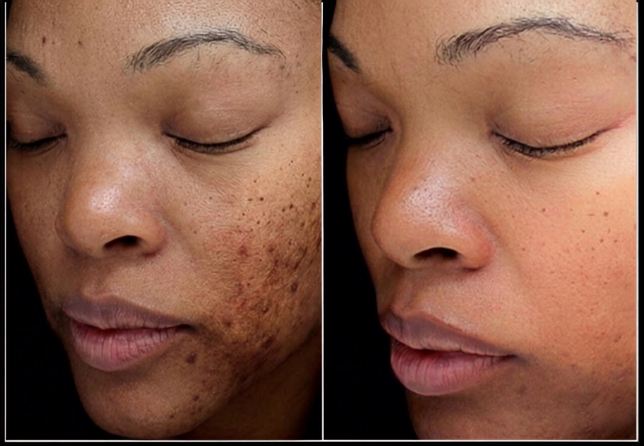
A peel is only as good as the judgment behind it. The first question is whether a peel is the right tool for your skin at all, and the second is how to apply it so it does real work without setting you back. Your treatment is guided by physicians who have cared for skin since 2005, and who will always choose the gentlest path to your goal.

Very little. Most people feel a brief tingle or warmth during application, which passes quickly.

Usually about 30 minutes. You then go home with the peel still working and a simple take-home kit.

You will peel, but gently. Light flaking usually begins around day three and lasts a few days. It is mild. Most people carry on with normal life.

No true downtime, but plan for about three to five days of light peeling. Many people schedule their peel a week or so before an important event. Direct sunlight should be avoided for several weeks after the peel and before the peel.

Often a brighter look within a week, once the peeling finishes. Deeper concerns improve over a series.

One peel gives a refresh. For melasma, sun damage or stubborn pigment, a series of about one peel every four to six weeks works best.

Yes. The VI Peel is designed to be used safely across all skin tones, which is one reason we rely on it. Additional skin preparation is often required for darker skin tone. Direct sunlight should be avoided for several weeks after the peel and before the peel.

We use the VI Peel Precision Plus with Peptides. It is the pigment formula, made for melasma, sun spots, dark spots and uneven tone. We chose it because pigment is what we are most often asked to treat, and because it is designed to be used safely across every skin tone.

The VI Peel has a strong safety record in trained hands. Redness, mild tightness, and the peeling itself are expected, normal parts of the treatment. Less commonly, there can be more lasting redness or changes in pigment, and rarely, irritation if aftercare is not followed. Following your aftercare routine and protecting your skin from the sun keeps the risks low.

Sun exposure is the single biggest thing you can control. Sun-worn skin going into a peel, and sun afterward, both raise the risk of pigment problems. We will ask you to protect your skin from the sun before and after with shade and a broad-spectrum sunscreen. It is part of the treatment.

Anyone with an active cold sore or skin infection, anyone who has recently taken isotretinoin, sold as Accutane, and anyone who is pregnant. We review all of this at your consultation.

Yes. VI Peel pairs well with microneedling, Moxi laser, and daily skincare. We plan the timing so treatments work together.

This peel suits many people who want brighter, more even skin, and it is at its best on pigment. The honest answer for you comes from a consultation.

Mainly, avoid sun beforehand. We may also have you use a short skin-prep routine, and we will give you full instructions.

About Gambhir M.D.

Gambhir M.D. is led by Vibha Gambhir M.D. and Anshul Gambhir M.D., a physician team practicing cosmetic medicine together since 2005. Across more than 200,000 patient visits, they have given over six million units of Botox and performed more than 60,000 filler treatments. The facial nonsurgical cosmetic medicine experts.

It’s always a conversation and not a formula.

Start with a Conversation

The honest answer for you comes from a consultation. There is no pressure and no single look.

A Plan Built Around You

Prevention Is Personal

It depends on your genetics, your skin, your age, and your habits, and sun protection always comes first. We will build a simple, steady plan, and never push more than you need.

It is a conversation, not a formula.

Ask us anything
Opening this winter on Central Park South.
Join our list to be among the first.

Newsletter Signup

Newsletter Signup

Aesthetic medicine has become crowded and confusing. You should be able to understand your options.

Short, honest notes from two physicians: what a treatment actually does, what it does not, and how to think about the choice. No pressure to book anything.