Botox

“Botox is one of the oldest and most trusted treatments in cosmetic medicine. It works by gently relaxing the muscles that crease the skin, so the lines from years of expression soften. Placed well, it can even lift the upper face. What matters most is the placement. Every dose and every point is chosen for your face, so you still look like yourself, only more rested.”

— Anshul Gambhir M.D.

About Botox

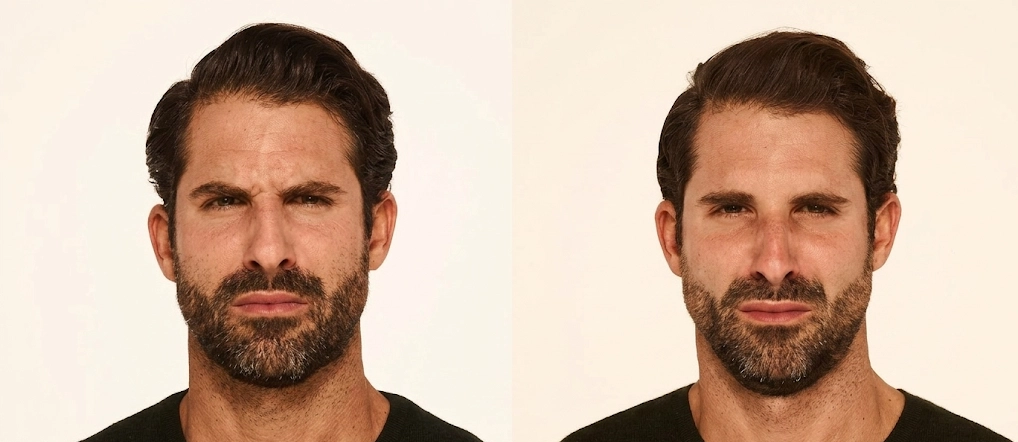
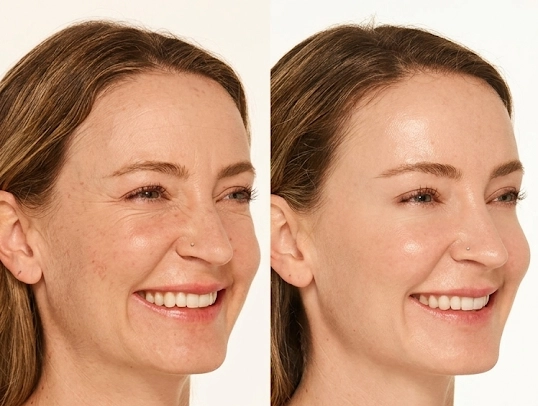
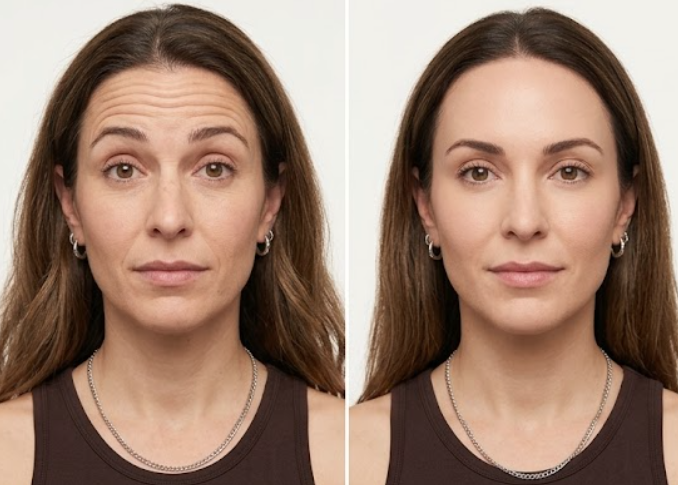
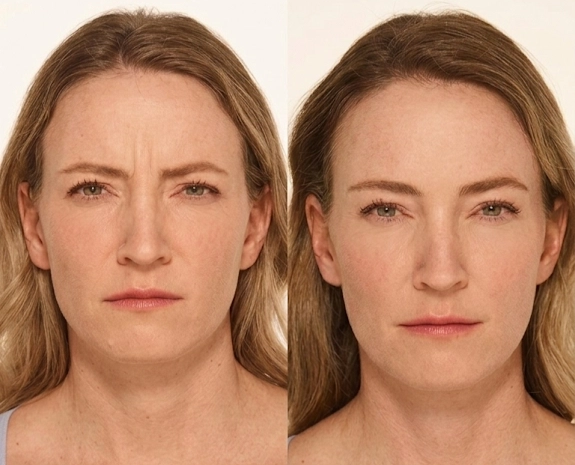
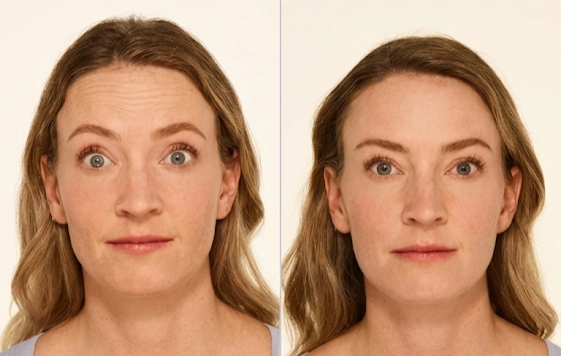
Botox is one of the most asked-about treatments in cosmetic medicine, and one of the most misunderstood. It is a purified protein, used safely in medicine for decades, that gently relaxes the specific muscles that fold the skin from years of expression. Used well, it softens the lines those movements create while leaving every expression that makes your face your own intact.

Treatment is short, just a few small injections placed with care, with no anesthesia and no real downtime. Most people see a change within two weeks, and results last about three to four months. The difference between an obvious result and a natural one comes down to placement, and placement comes down to experience.

Every face is different, and so is every Botox plan. The right approach depends on your muscles, your goals, and what natural means to you. We build a treatment plan that fits your face, and we adjust as we go.

Getting Here

We are at 200 Central Park South, at Seventh Avenue, one block from Columbus Circle.

The A, B, C, D and 1 stop at 59th Street and Columbus Circle, a three minute walk. The N, Q, R and W stop at 57th Street and Seventh Avenue. The F stops at 57th and Sixth. It is a direct ride from most of Manhattan, and from Brooklyn and Queens on the same lines.
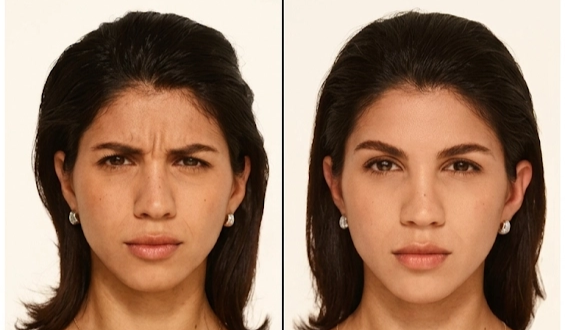
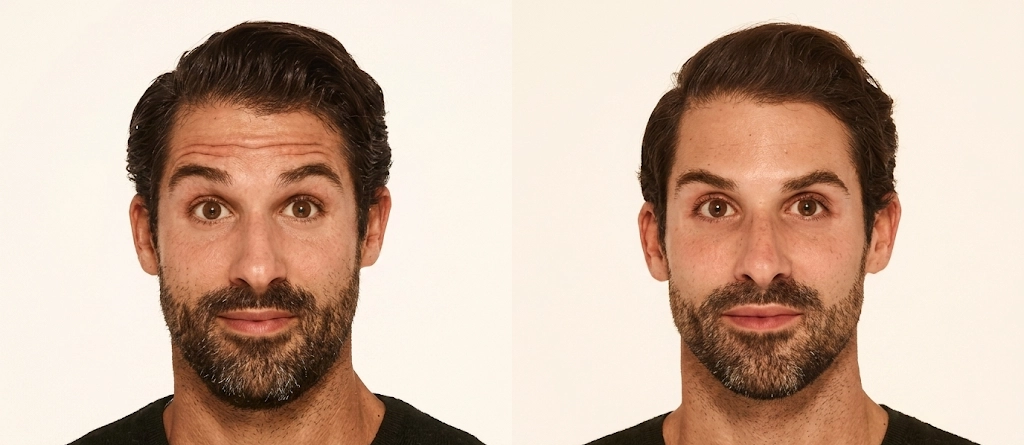
Botox is simple to receive but not simple to do well. Where the product is placed, and how much is used, is what separates a natural result from an obvious one. Your treatment is performed by physicians who have practiced cosmetic medicine since 2005. Together we have given more than six million units of Botox across more than two hundred thousand patient visits. We focus on the face, we plan around your anatomy, and our goal is always the same: you, looking rested, with your expressions intact.

It relaxes the specific muscles that fold your skin when you make expressions. With the muscle relaxed, the lines above it soften.

Yes. That is the goal. Done well, Botox softens lines while leaving your expressions natural. The definition of natural is an important conversation we have with each patient and at each visit.

Very little. The needle is very fine, and most people describe each injection as a quick pinch. The whole thing is over in a few minutes. Ice or numbing cream can be applied beforehand for those who prefer it.

Most people notice a change in three to five days. The full effect takes about two weeks.

Usually three to four months.

The effect does not stop suddenly. It fades, and movement returns gradually over several weeks. Most patients come back two or three times a year.

How long it lasts for you depends on the dose, which muscle is treated, and how strong that muscle is. A strong forehead works through it faster than the finer muscles around the eyes. A first treatment often fades a little sooner than later ones, because the muscle is still at full strength.

If yours is wearing off at six or eight weeks, say so at your next visit. That usually means the dose was too low for your muscle, not that the product failed.

Almost none. You can return to your normal day right away. We will give you a few simple aftercare steps to follow.

Botox has decades of use and a strong safety record when given by a trained, experienced injector. As with any medical treatment, there is some risk, and we will go over it with you honestly.

Most are minor and brief: small bumps, mild redness, or slight bruising at the injection sites. A temporary heavy brow or eyelid is less common and resolves on its own. A full consent form is available on our site and will be presented for your review prior to each treatment.

Botox relaxes muscles to soften lines caused by movement. Filler adds volume to restore fullness or smooth lines that are there even when your face is still. Many patients use both. We will work with you to see what is best.

Neither, in most cases. Some patients start in their late twenties or thirties to soften early lines; others start later. What matters is your goals and your health, not your age.

Botox is priced by the unit, not by the area, so the amount depends on your muscles and your goals.

The usual ranges give you a sense of it. The frown lines between the brows take about 10 to 30 units. Crow’s feet take about 5 to 20 units per side. The forehead takes about 10 to 20 units, and it is almost always treated together with the frown lines rather than on its own. Treating the forehead by itself can let the brow drop, so we plan the upper face as one area.

The ranges are wide because muscle strength varies a great deal from person to person. A strong muscle needs more product to relax. Using too little to keep the cost down is a false economy. The result fades early, and you are back sooner than you wanted to be.

We count the units and go over the plan and the cost with you before any treatment, so there are no surprises. Current per-unit pricing is on our pricing page.

Botox is not recommended during pregnancy or breastfeeding, or for people with certain nerve or muscle conditions. We review your health history at your consultation to be sure it is a safe choice for you.

Yes, and many patients do. Botox is most often paired with dermal fillers. The two do different jobs: Botox relaxes the muscles that cause movement lines, while filler restores volume that has been lost over time. Used together in one plan, they address different parts of facial aging. Botox also pairs well with skin treatments. Combining treatments is common and safe in experienced hands, but it is not always needed.

Yes. Because Botox relaxes muscles, it has a number of other uses. Common ones include:

  • Brow balancing. Small, careful placement can lift a heavier or uneven brow, opening up the eye area.
  • Jaw slimming and clenching. Easing an overworked jaw muscle can soften a strong, square jawline and reduce teeth clenching and grinding (often linked to TMJ).
  • Gummy smile. Relaxing the upper lip so less gum shows when you smile.
  • Lip flip. A small amount along the upper lip gently rolls it outward for a fuller look, without filler.
  • Neck bands. Softening the vertical cords that can stand out on the neck.

Botox also has trusted medical uses, such as helping prevent chronic migraines and reducing heavy sweating. At your consultation, we will go over which of these we offer and what fits you.

About Gambhir M.D.

Gambhir M.D. is led by Vibha Gambhir M.D. and Anshul Gambhir M.D., a physician team practicing cosmetic medicine together since 2005. Across more than 200,000 patient visits, they have given over six million units of Botox and performed more than 60,000 filler treatments. The facial nonsurgical cosmetic medicine experts.

It’s always a conversation and not a formula.

Start with a Conversation

The honest answer for you comes from a consultation. There is no pressure and no single look.

A Plan Built Around You

Prevention Is Personal

It depends on your genetics, your skin, your age, and your habits, and sun protection always comes first. We will build a simple, steady plan, and never push more than you need.

It is a conversation, not a formula.

Ask us anything
Opening this winter on Central Park South.
Join our list to be among the first.

Newsletter Signup

Newsletter Signup

Aesthetic medicine has become crowded and confusing. You should be able to understand your options.

Short, honest notes from two physicians: what a treatment actually does, what it does not, and how to think about the choice. No pressure to book anything.